

Ionisation vs photoelectric smoke alarms
Smoke alarms are crucial for home safety, providing early warnings that can save lives during a fire. They are now mandatory in rental properties in NSW. The two main types are ionisation vs photoelectric smoke alarms, each with unique advantages for different fire scenarios.
Ionisation Smoke Alarms
Ionisation smoke alarms use a small amount of radioactive material to ionize the air in the alarm’s chamber. When smoke enters, it disrupts this ionization, triggering the alarm. These alarms are particularly effective at detecting fast-flaming fires, such as those from burning wood or paper. However, they are less sensitive to slow, smouldering fires that produce larger smoke particles.
Photoelectric Smoke Alarms
Photoelectric smoke alarms operate using a light source and a sensor. When smoke enters the chamber, it scatters the light, which is then detected by the sensor, causing the alarm to sound. These alarms excel at detecting smouldering fires, such as those from burning foam or plastic. Additionally, they are less likely to trigger false alarms from cooking fumes or steam.
In residential settings, photoelectric smoke alarms are often favored over ionisation smoke alarms. This preference stems from the nature of most household fires, which typically begin with smouldering materials like upholstery, bedding, or electrical wiring. These materials produce larger smoke particles, which photoelectric alarms are particularly good at detecting. This early detection provides residents with more time to evacuate, thereby reducing the risk of injury or death.
Moreover, photoelectric smoke alarms are less prone to false alarms, a common issue in homes. False alarms can be a significant nuisance and may lead to residents disabling their smoke alarms, which increases the danger in the event of an actual fire. By choosing photoelectric smoke alarms, homeowners can ensure better safety and fewer disruptions.
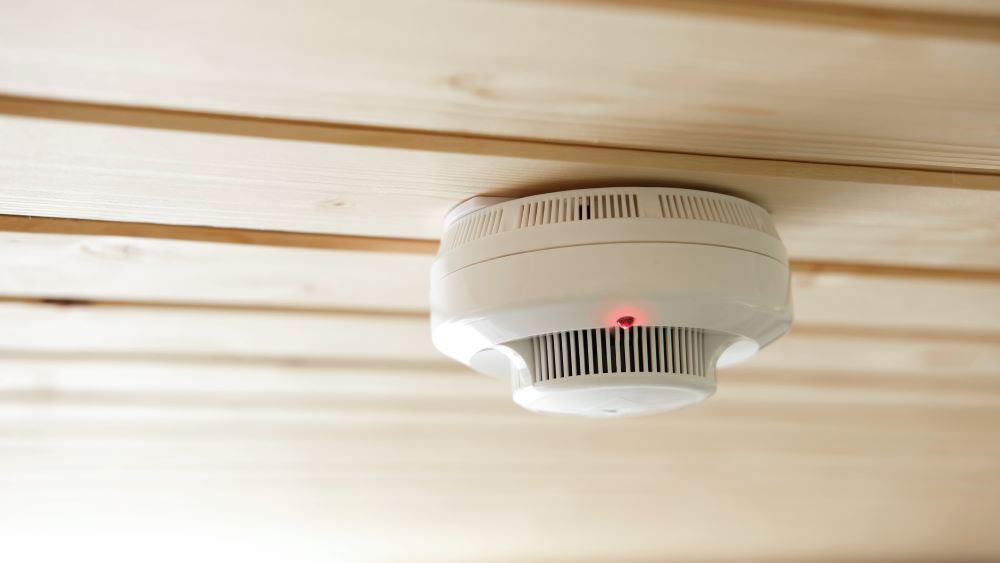
Ionisation vs photoelectric smoke alarms: Which one is better?
The choice between ionisation and photoelectric smoke alarms depends on the specific needs and environment. Ionisation alarms are better for detecting fast-flaming fires, while photoelectric alarms excel at detecting slow, smouldering fires. For optimal safety, it is recommended to have both types of alarms installed in your home to ensure comprehensive coverage.
Understanding the differences between ionisation vs photoelectric smoke alarms can help you make an informed decision about which to install. By using both types, you can ensure comprehensive coverage and maximize your safety against various types of fires.
REDMEN: your smoke alarms solution provider
REDMEN Fire Protection Management is a NSW based fire protection provider and we know the industry inside and out. With offices in Sydney, Newcastle and the NSW Central Coast, we have hundreds of years of combined experience in fire protection. We have tracked the evolution of fire standards and legislation, and even been instrumental in their development.
Our expert staff will provide a free walk-around to make sure that you are compliant with the smoke alarms legislation, and not at risk of legal jeopardy. Just contact us today and we can set up an appointment today and we will be able to set your mind at ease.


